I built a fashion subscription startup 10 years too early.
I still believe in the idea.
By Dearlie ‘Dee’ Gerodias Gilbert · Oct 2026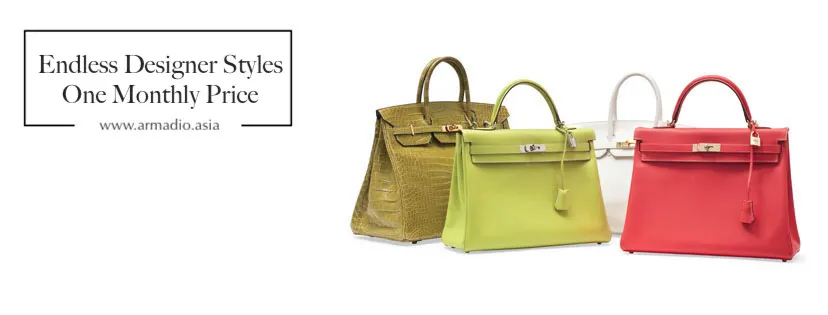
In 2016, I became fascinated by a simple question:
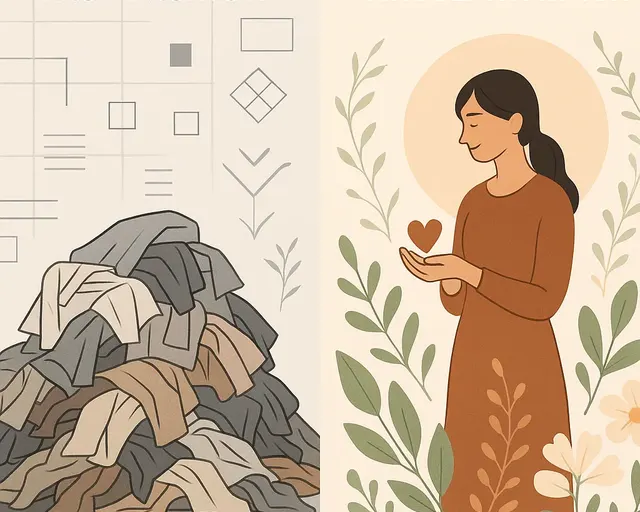
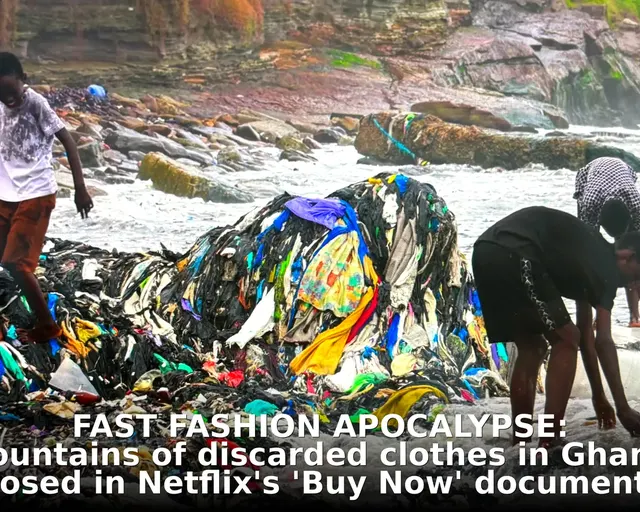
Why do we need to own so many clothes to have variety in what we wear?
I had discovered the fashion rental model and immediately saw the appeal. Instead of buying something you'd only wear a few times, you could rent it, enjoy it, return it and move on to something different.
The idea felt particularly interesting in Asia, where fashion-conscious consumers were increasingly exposed to global brands but didn't necessarily want to keep buying more and more.
So I decided to experiment. I called the concept Armadio, Italian for wardrobe.
The original idea was a fashion rental subscription: pay a monthly fee and have access to a rotating wardrobe.
Then I ran into the inventory problem
The first instinct was to focus on clothing. But the more I looked at the economics, the more complicated it became.
Clothing requires multiple sizes, colors and styles. You need enough inventory to give customers meaningful choice, but if the wrong sizes or styles sit unused, your capital is effectively sitting in a warehouse.
There was another problem: fit. Even if two customers are technically the same size, the same piece of clothing can fit very differently.
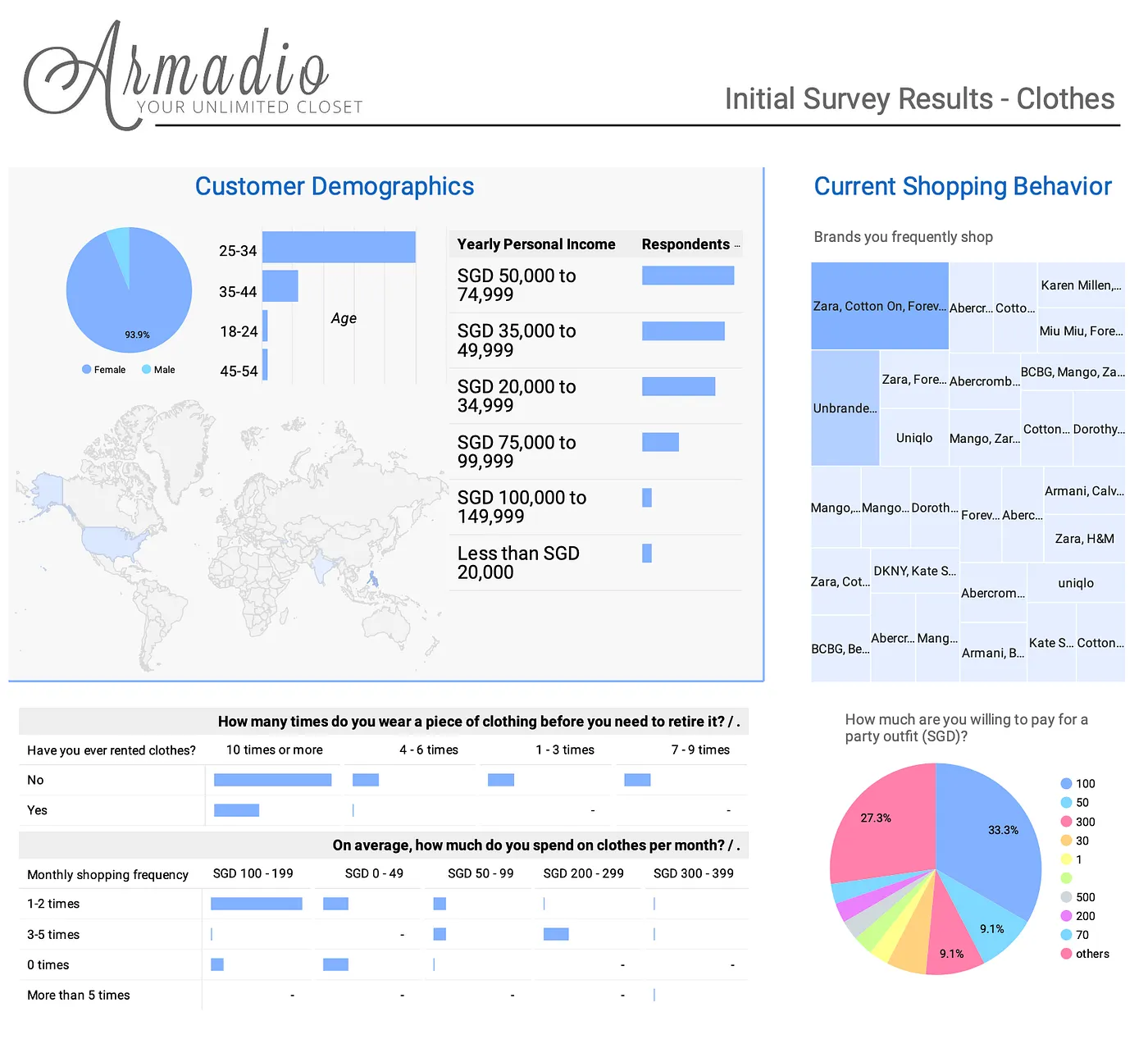
I started asking myself: what fashion category gives customers variety without creating the same inventory complexity?
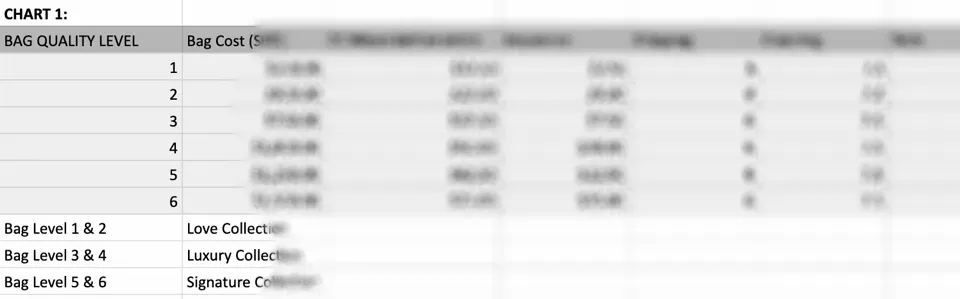
That's when I landed on handbags.
And premium handbags had another attractive characteristic: they were expensive enough that customers could see the value in accessing them rather than owning every bag they wanted.
The idea became much clearer:
Subscribe once. Get access to a different handbag every month.

The secret weapon was the subscription
Looking back, I think this was the strongest part of the idea. Fashion is inherently about variety.
A woman might want a work tote one month, a statement bag the next, and something elegant for a special occasion after that. She doesn't necessarily need to own all three. She wants access to different versions of her style.
That's where subscription becomes powerful.
The transaction doesn't end when the customer receives the bag. The relationship continues.
And that creates something valuable for the business: recurring revenue, repeat usage and a much stronger customer relationship.
Almost a decade later
Armadio never became the business I hoped it would. But I don't think the core idea was wrong.
I think I was early, and I was looking at the opportunity too narrowly.
In 2026, the broader idea of access over ownership is much more familiar to consumers. And technology makes it possible to build a much more personalized experience than I could have imagined when I started.
If I were building Armadio today, I would keep the subscription at the center. But instead of simply giving customers access to a catalog, I'd use data and AI to understand their preferences, what they've previously rented and what they are likely to want next.
Imagine opening the app and seeing:
“Here are three bags we think you'll love this month.”
That's a very different experience from simply browsing a rental website.
And the value proposition remains remarkably simple:
That's the Armadio idea I still believe in. Almost a decade later.
I first wrote about the original launch in 2020. Read the full story on Medium →