Seen in slices: a product manager’s wake-up call on women’s health
I spent my career asking who the user is and where their journey breaks. It took me far too long to ask the same about the systems built around my own body.
By Dearlie ‘Dee’ Gerodias Gilbert · 23 September 2026
For most of my career, I have built digital products for people I could picture clearly: fashion shoppers, deal hunters, travelers, subscribers. I was always asking who the user was, what they needed and where their journey broke.
It took me far too long to ask those same questions about the systems built around my own body.
A question no one could answer
A little background on me: I have spent more than 14 years in digital product management, most recently at McKinsey. My own care journey is what made the gaps impossible to ignore.
At almost 22 weeks of pregnancy, I lost my twins to pre-term delivery. I had been sent home with contraction pains the day before. I documented every step and went through test after test, and still no one could tell me why it happened.
The one thing I could do
That loss is why I began donating to Tommy’s, the baby loss charity. I knew there was a big gap in knowledge about why babies are lost.
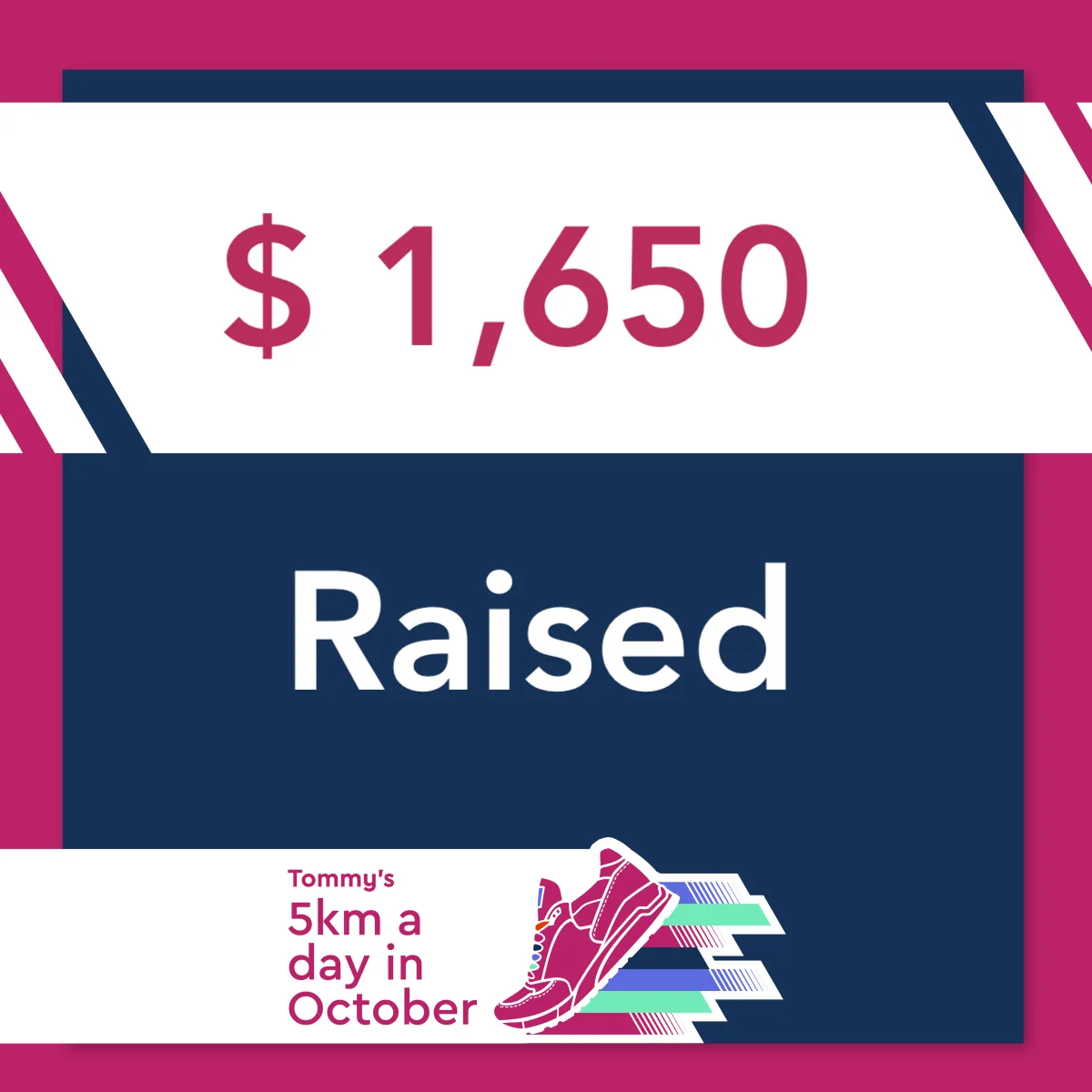
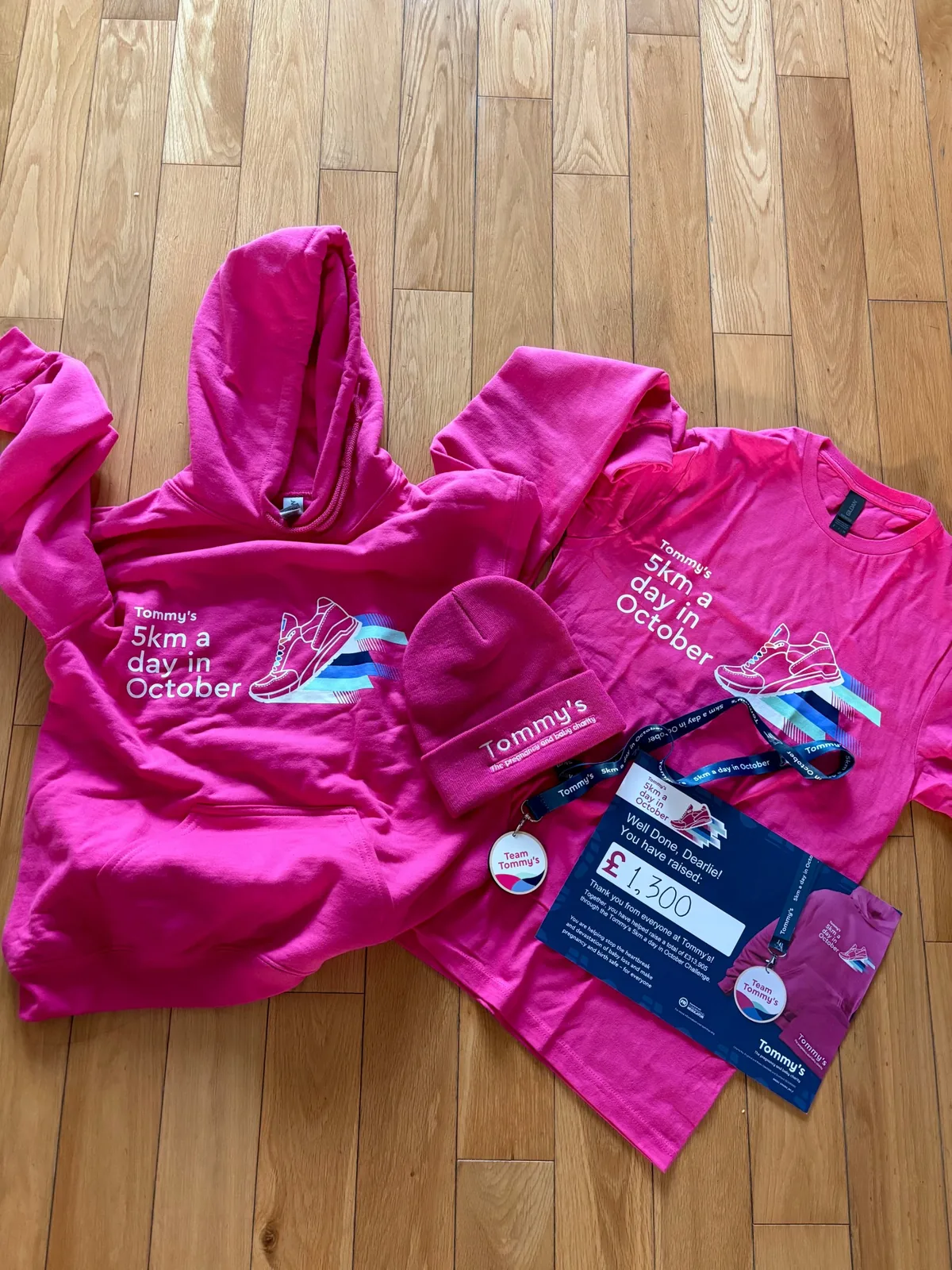
Since then I have joined their charity run, raised funds for their research, and shared my own journey with their baby loss community: my story on Tommy’s. Giving to the research felt like the one thing I could do with a question no one could answer for me.
Seen in slices
Three or four years later, after welcoming my son, a different chapter began, unrelated to the loss. I started to feel that something was wrong, but I had no vocabulary for it and no education about perimenopause to point me in the right direction.
I saw more clinicians than I can easily count and had hormone panels. Each doctor was genuinely trying to help, each looked at one piece, and too often I felt dismissed. It was purely by accident that I learned I could be experiencing perimenopause, and I am still, today, looking for the right doctors that could help me.
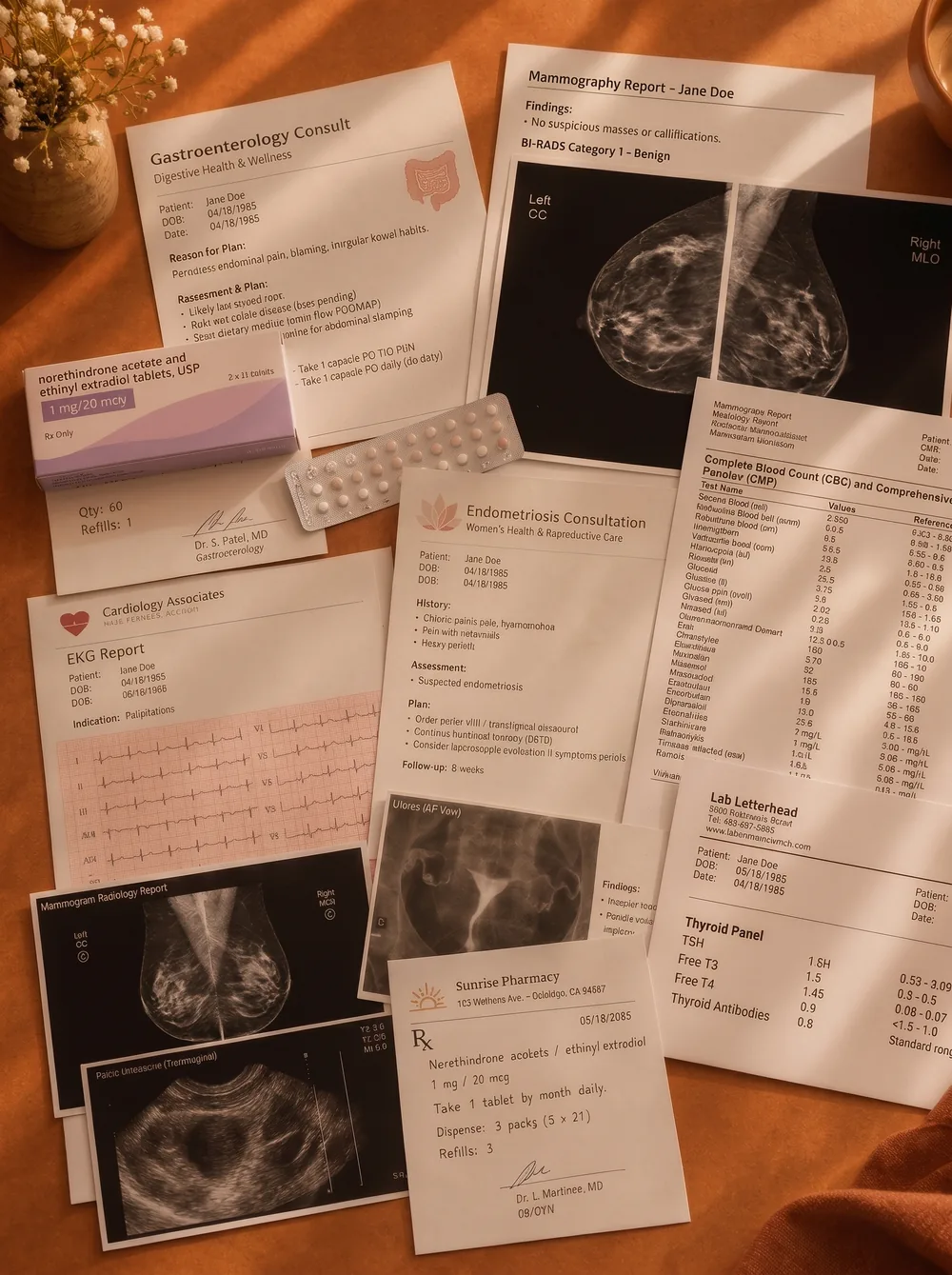
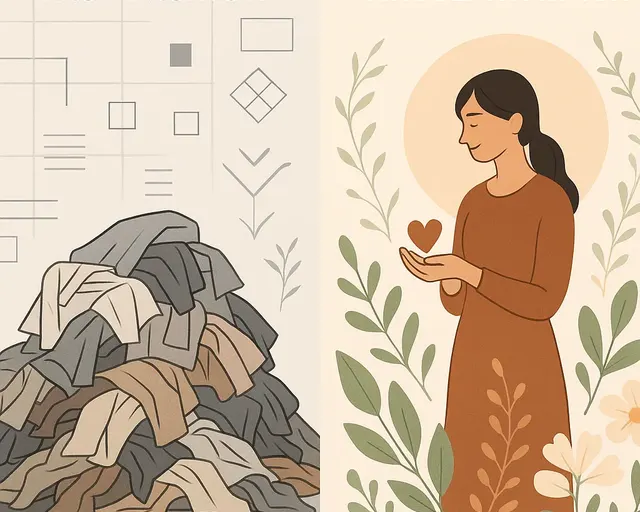
Both times, the missing piece was the same: one complete picture across doctors, tests and symptoms.
Not an individual failing. A design problem.
Women live longer than men but spend about a quarter more of their lives in poor health, often during their most productive decades. That is not an individual failing. It is a design problem, and a product manager’s instincts can help us understand it.
The five-part roadmap
Over the next few weeks, I will share what I am learning, one structural gap at a time.
I am not a clinician, and nothing here is medical advice. This is personal reflection and research, written as someone exploring how this could work better.
- 01Why a product manager is writing about women’s health.
Start here
You are here - 02Medicine was built largely on male bodies, and what that means for the rest of us.
The science gap
Coming soon - 03Nobody counts women across a lifetime, so every woman becomes her own record keeper.
The data gap
Coming soon - 04Years to diagnose, specialists in separate rooms, and why better implementation matters as much as new science.
The care delivery gap
Coming soon - 05Where the money goes, where it does not, and the product thinking that follows.
The investment gap, and what I would build
Coming soon
If any of this sounds familiar, I would really value your company on the journey.
Thank you for reading. Subscribe to Letters from Madrid to follow along, and share your own experience with me if you feel comfortable.
Warmly, Dee ♥︎