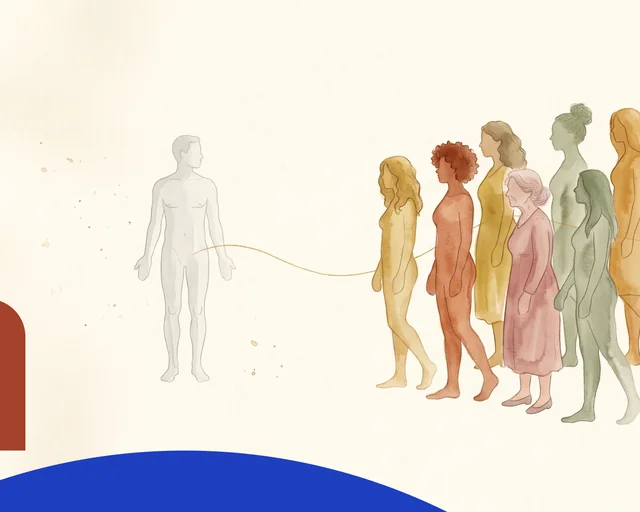
The data gap: who is counting women?
If the science gap asks whose body medicine was built around, the data gap asks a quieter question: who is actually being counted, and for how long?
By Dearlie ‘Dee’ Gerodias Gilbert · September 29, 2026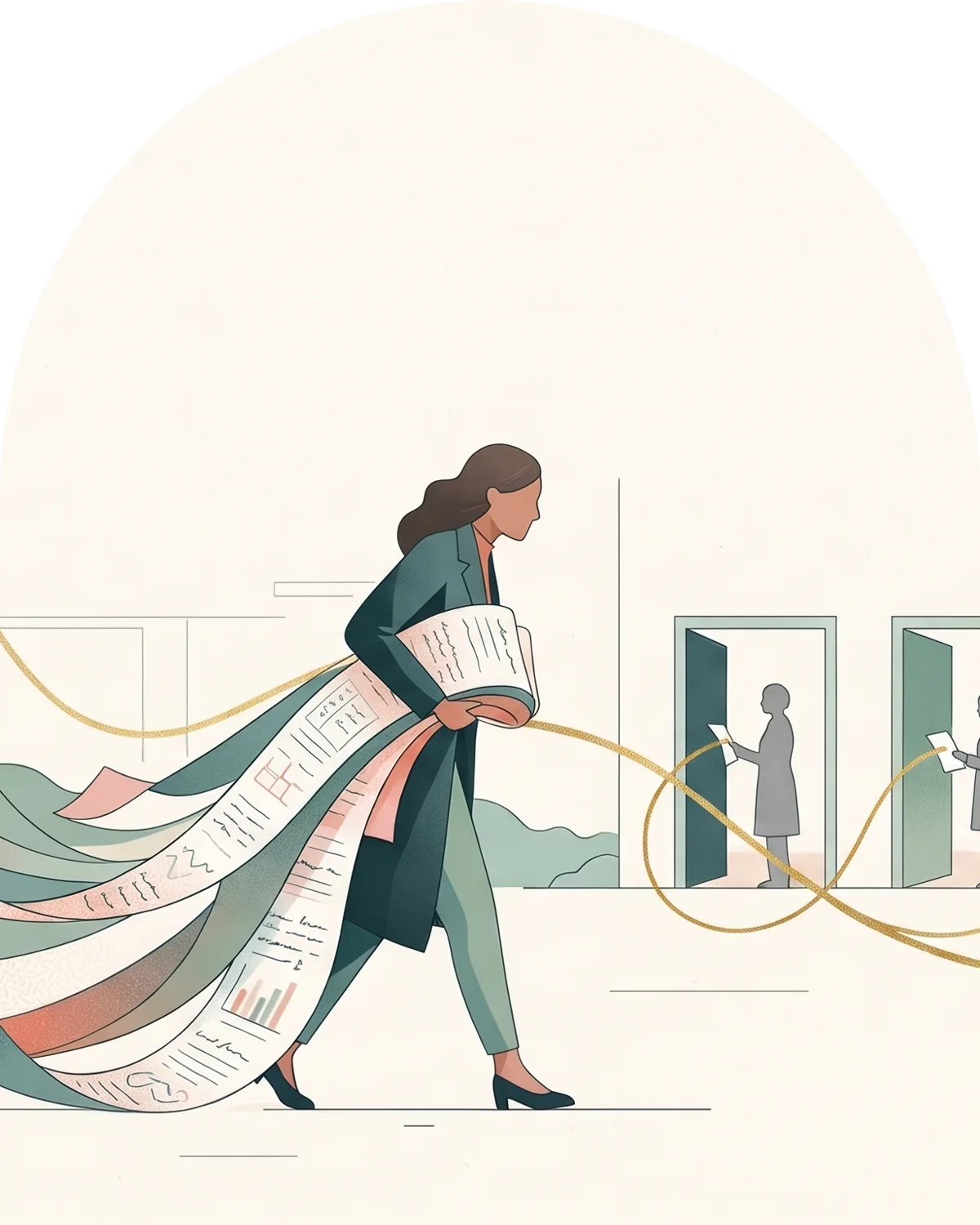
I have learned to carry my own medical history from one appointment to the next. Across two countries and more clinicians than I can easily count, no system carried it for me, so I became the keeper of my own records: the test results, the prescriptions, the dates, the symptoms and what I was told at each visit.
Every new consultation starts with me rebuilding the story from the beginning. In this third article of Seen in Slices, I would like to look at the data gap.
Count women
The first pillar of the McKinsey Health Institute’s Blueprint to close the women’s health gap is just two words: count women. It calls for consistent standards for collecting sex- and gender-based health data, so that we can see where women’s outcomes differ from men’s.
If the results are not broken down, the differences cannot be seen, and what cannot be seen cannot be fixed.
What is not being counted
Beyond clinical trials, the experts on The Diary of a CEO named gaps that anyone who has tried to track their own health will recognize.
The normal cycle
There is no agreed research definition of a normal menstrual cycle, so there is no clear baseline to compare against.
Dr. Natalie Crawford, fertility specialistWearables
Many devices are not built on female physiological data and do not account for changes across the cycle, so a woman can be told her recovery is poor when her body is simply in a different phase.
Dr. Stacy Sims, exercise physiologistLife stages
Cycle, pregnancy, postpartum and perimenopause tools are often separate apps, and a woman’s history rarely carries across them, or across countries.
My own experience and product researchWomen’s health is a long story, and most of our systems record only a page of it at a time.
A product manager’s view
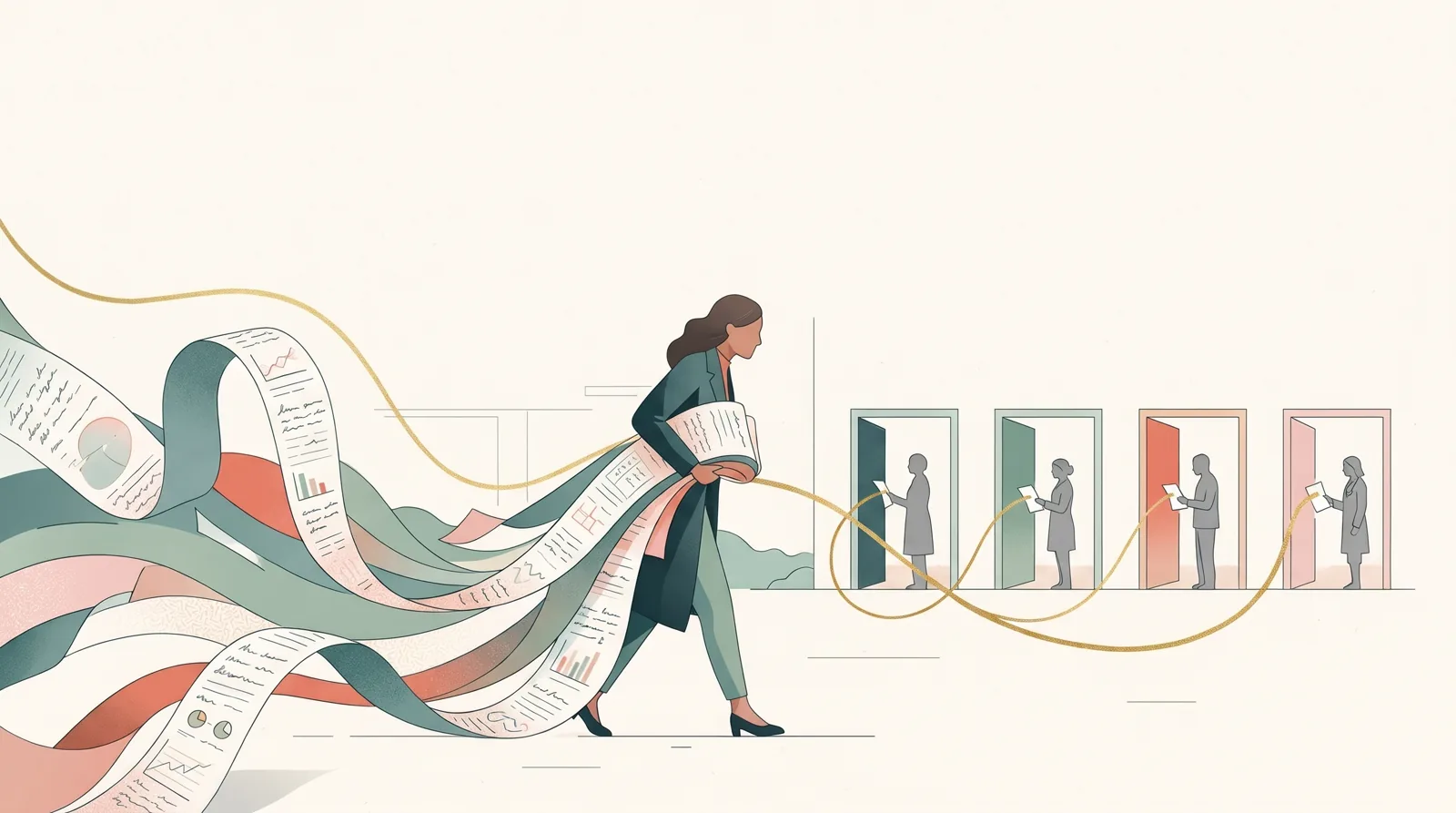
In product terms, this is an integration problem that has been quietly handed to the end user. Labs sit in one system, prescriptions in another, specialist letters in a third, and the person asked to connect them is the patient: often the person with the least time, and sometimes the least energy, in the whole chain.
My own version of this is a spreadsheet. I built a history of every consultation, result and treatment, plus a separate cycle and symptom tracker, and then I rewrote that history in a different format for each specialist, because each one needed to see a different slice. No system did any of this for me, and none of it travels unless I send it myself.
Multiply that by every new provider, and the cost is not only time. Details get lost, and “vague” symptoms stay vague because no one can see them across months or years.
When I map a user journey, I look for the handoffs, because that is where journeys break. In women’s health, the handoffs are between doctors, between countries, and between life stages.
What better could look like
The World Economic Forum’s Global Alliance for Women’s Health, together with the McKinsey Health Institute, built the Women’s Health Impact Tracking platform, a publicly accessible tool that measures progress on closing the gap. It initially covers nine conditions, including menopause, endometriosis and premenstrual syndrome.
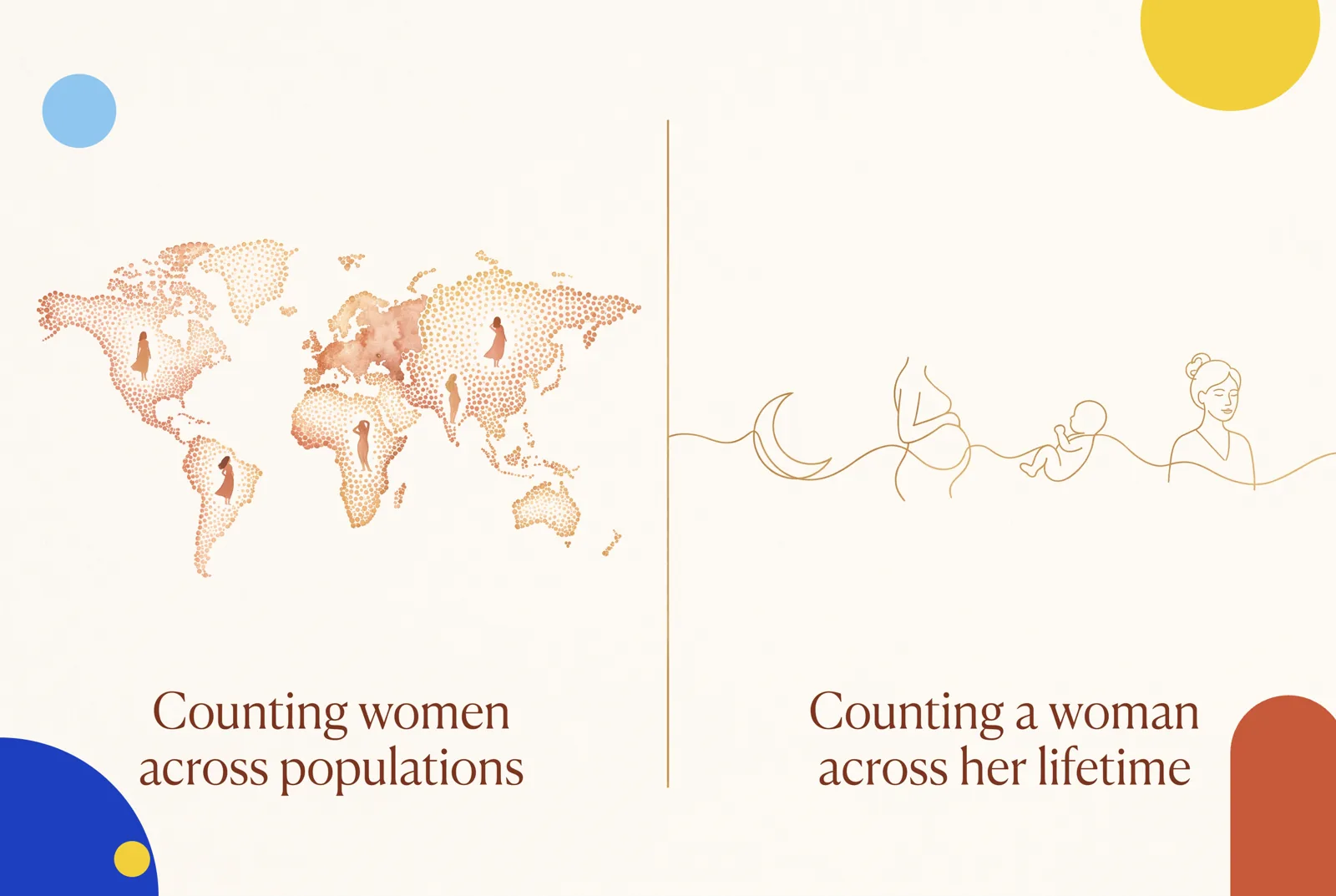
Platforms like this count women across populations. The other half of the answer, I believe, is counting a woman across her own lifetime, so that her history is available to her and to the clinicians she chooses. Both are needed, and I will come back to the second in the final article.
What’s next
The data gap explains why so little of a woman’s story is visible, even when the care is good. Next, I will look at the care delivery gap: years to diagnose, specialists in separate rooms, and why better implementation can matter as much as new science.
- Why a product manager is writing about women’s health.
- Medicine was built largely on male bodies, and what that means for the rest of us.
- 03Nobody counts women across a lifetime, so every woman becomes her own record keeper.
The data gap
You are here - 04Years to diagnose, specialists in separate rooms, and why better implementation matters as much as new science.
The care delivery gap
Coming soon - 05Where the money goes, where it does not, and the product thinking that follows.
The investment gap, and what I would build
Coming soon
Thank you for reading. If you have ever had to rebuild your own history for a new doctor, I would really value hearing how you manage it.
Please subscribe to Letters from Madrid to follow the series.
Warmly, Dee ♥︎