Circular Fashion for All: Luxury vs. Low-Cost
One size does not fit every segment of fashion. Here is how circular ideas change when a garment costs $15 or $1,500, and what each end of the market can learn from the other.
Talk about circular fashion for long enough and someone will say that it is a luxury idea, or that it only works for fast fashion. Both are partly right, and that is the point. A $15 T-shirt and a $1,500 coat are bought differently, made differently and thrown away differently, so the same circular playbook cannot serve both. This is the next installment in the series that began with From Fast Fashion's Graveyard to a Circular Tomorrow, continued with Where Does Fashion Go to Die?, then Beyond the Linear, Quick Wins for a Circular Wardrobe, and finally Systemic Shifts for Long-Term Impact.
Two ends of the market, side by side
Here is a simple way to compare them. These are general patterns, not rules, and plenty of brands sit in between.
Low-cost vs. luxury at a glance
Make the loop easy and cheap
Protect the value
Frequent, small purchases.
Occasional, considered ones.
Material qualityThinner fabrics and blended fibers that are harder to recycle.
Better materials and construction that can survive more wearers.
Price sensitivityShoppers notice a few dollars, so repair and take-back must be nearly free and effortless.
Shoppers pay for service, authentication and craftsmanship, so repair can be part of the product.
Best second lifeLittle resale value, so often recycled fiber.
Real resale value, so usually another owner.
The low-cost playbook: make the loop easy and cheap
When margins are thin and garments are made to be affordable, circularity has to be simple, low-tech and close to where people already shop.
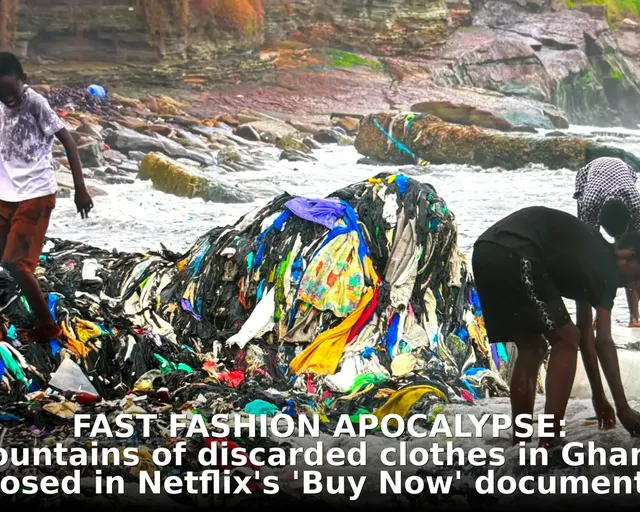
- Textile-to-textile recycling. The hard problem is turning old clothes back into new clothes. The Ellen MacArthur Foundation's 2017 report, A New Textiles Economy, estimated that less than 1 percent of the material used to make clothing is recycled into new clothing. That figure is dated, but it shows how much room there is to improve, and why recycling that returns fiber to garments matters more than turning clothes into insulation or rags.
- Simple take-back. H&M has run a garment collecting program in its stores since 2013. Customers can drop off unwanted clothes and textiles from any brand. H&M has also piloted Looop, an in-store machine that cleans old garments, shreds them into fibers and spins them into new yarn that is knitted into new pieces. It opened at an H&M store in Stockholm in 2020, developed with the H&M Foundation and the Hong Kong Research Institute of Textiles and Apparel. Note that some virgin material still has to be added, which shows how early this technology is.
- Community upcycling hubs. Local repair cafes, swap events and neighborhood workshops cost little to run and keep clothes close to the people who wear them. They suit low-cost fashion well, because the owner of a $15 shirt is far more likely to swap it than to pay for a repair.
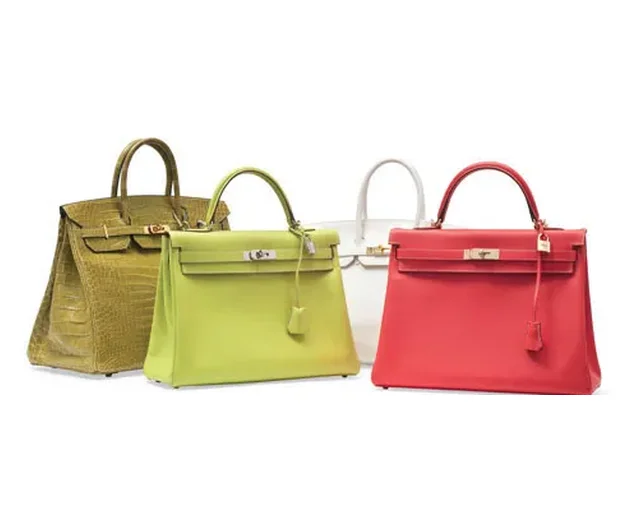
A $15 shirt needs a loop that costs almost nothing, and a $1,500 coat needs a loop that protects its value.
The luxury playbook: protect the value
At the top of the market the garment is the asset, so the circular strategy is about keeping that asset worth something.
- Resale marketplaces. Platforms such as The RealReal and Vestiaire Collective sell authenticated pre-owned luxury. The RealReal reported more than $2.13 billion in gross merchandise value for fiscal 2025, and market researchers estimate the luxury resale market at roughly $32 billion in 2024. Different reports define the market differently, so treat the numbers as a sense of scale rather than an exact figure.
- High-value refurbishment. Repairing, cleaning and restoring a good garment is cheaper than replacing it, and it is easier to justify when the original price was high.
- Timeless design for many owners. A classic cut that still looks right in ten years can be worn by several people. Designing for that is the most circular choice a luxury brand can make.
- Regenerative sourcing. Some luxury brands are also looking upstream. Stella McCartney, for example, works with NATIVA on regeneratively farmed, traceable merino wool, and describes farm-level blockchain traceability for it. NATIVA's traceability claim comes from the companies themselves, so read it as their commitment rather than independent proof.
What each end can learn from the other
Low-cost brands can borrow luxury's thinking about longevity and service: even a modest garment lasts longer if it is made with a repair in mind and sold with an easy way back. Luxury brands can borrow low-cost fashion's skill at scale and convenience: a take-back scheme that is easy for everyone beats a beautiful one that few people use.
As consumers, we can also look at what we are actually buying. If you shop at the low-cost end, the most useful habit is to wear things more and pass them on when you are done. If you shop at the luxury end, the habit is to buy pieces you will keep, and to learn where to sell or repair them.
What comes next
Both ends of the spectrum need new ideas, because today's recycling and traceability tools are still limited. In the next installment I look at what technology, from AI-assisted sorting to digital product passports, could change.
Coming next, Article 6: Looking into the Future: AI & Transparency
And if you’re interested to learn more, check out the rest of the articles in this series:
- Read Series Intro: From Fast Fashion’s Graveyard to a Circular Tomorrow: A Fast Fashion PM’s Wake-up Call
- Read Article 1: Where Does Fashion Go to Die?
- Read Article 2: Beyond the Linear: Core Principles of Circular Fashion
- Read Article 3: Quick Wins for a Circular Wardrobe: Easy Steps You Can Take Today
- Read Article 4: Building a Truly Circular System: Systemic Shifts for Long-Term Impact
- Ellen MacArthur Foundation: A New Textiles Economy (under 1% recycled into new clothing)
- H&M: Garment collecting, any brand and any condition, since 2013
- H&M: Looop in-store recycling system, Stockholm, 2020
- FashionUnited: H&M launches in-store recycling machine with HKRITA
- The RealReal: Form 10-K for fiscal 2025 (GMV of $2.13 billion)
- Arizton: Global luxury resale market, $32.47 billion in 2024
- Vestiaire Collective
- Stella McCartney: NATIVA regenerative, traceable wool
- Textile World: Introducing NATIVA, supplier of regeneratively farmed luxury wool